Traditional Pandal Construction: Art Meets Engineering
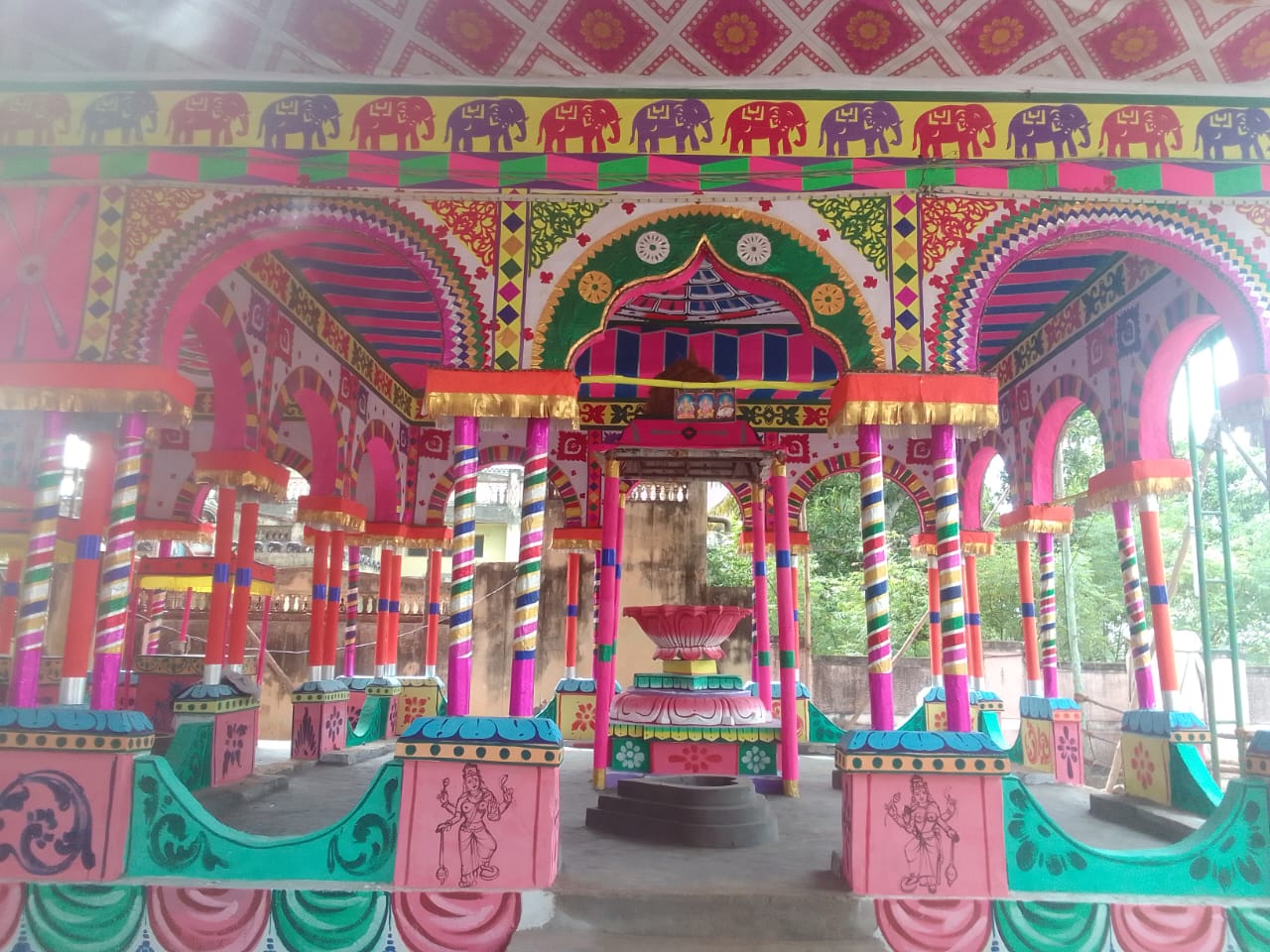
The Art of Sacred Temporary Architecture
Pandal construction (Samiana in Tamil) is an ancient craft that creates temporary sacred spaces for religious events. Unlike permanent temple architecture, pandals must be built quickly, withstand weather conditions, and create an atmosphere of divine beauty.
Traditional Construction Methods
Framework
Bamboo and teak wood create the structural skeleton, following principles similar to permanent mandapam construction but adapted for temporary use.
Fabric Work
Traditional fabrics — silk, cotton, and specially woven temple cloths — are draped using techniques passed down through generations.
Decorative Elements
Modern Engineering Standards
While honoring tradition, modern pandal construction incorporates:
GPS Panthal's Pandal Services
From intimate wedding mandapams to festival pandals covering acres, GPS Panthal delivers premium pandal construction across South India. Our four-generation legacy ensures every structure reflects the sacred purpose it serves.