The Role of Yagnam in Hindu Culture: Fire as Divine Messenger
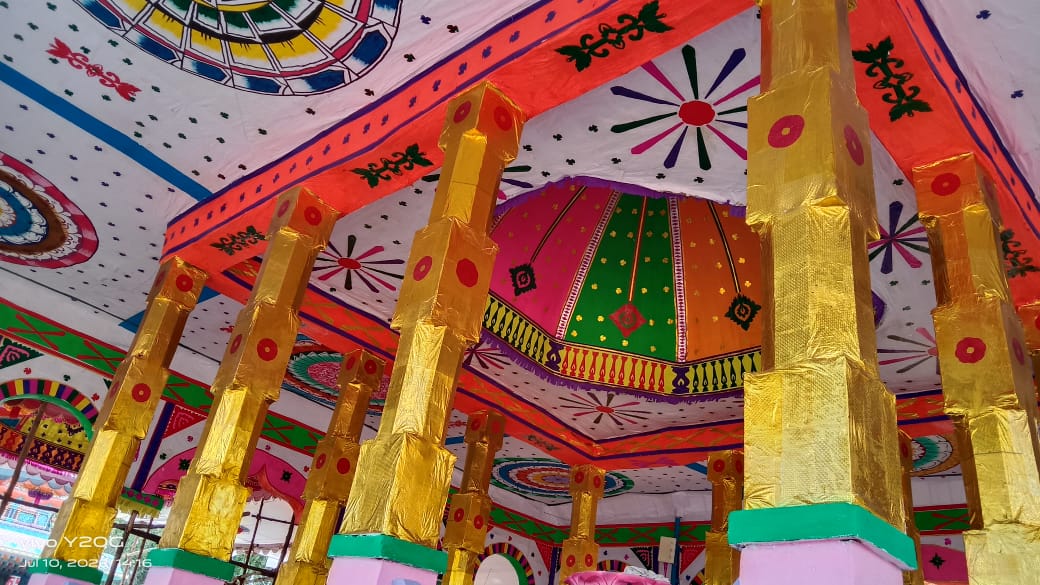
Yagnam: The Heart of Vedic Practice
Yagnam (also Yajna or Yaga) is the sacred fire sacrifice described in the Vedas as the primary means of communicating with divine forces. For over 5,000 years, Yagnams have been performed in specially constructed Yagasalai spaces across India.
Spiritual Philosophy
The fire in a Yagnam serves as Agni — the divine messenger who carries offerings (Ahuti) to the celestial realms. Each offering of ghee, grains, and sacred herbs into the fire represents surrendering one's attachments and prayers to the divine.
Types of Yagnams
Srauta Yagnas
Major Vedic sacrifices including Agnistoma, Ashvamedha, and Rajasuya — rarely performed today but historically significant.
Smarta Yagnas
Domestic and temple ceremonies including Ganapathi Homam, Navagraha Homam, and Chandi Homam.
Maha Yagnams
Grand fire sacrifices performed during Kumbabishekam and major temple festivals, often continuing for days.
Infrastructure for Yagnams
Every Yagnam requires:
GPS Panthal: Guardians of Sacred Fire Spaces
GPS Panthal's expertise in Yagasalai construction directly supports the continuation of this ancient tradition. By building ritual spaces that meet Vedic standards, we help temples and families maintain their connection to this timeless spiritual practice.