Complete Guide to Temple Kumbabishekam Arrangements — Yagasalai, Pandal, Pooja & Crowd
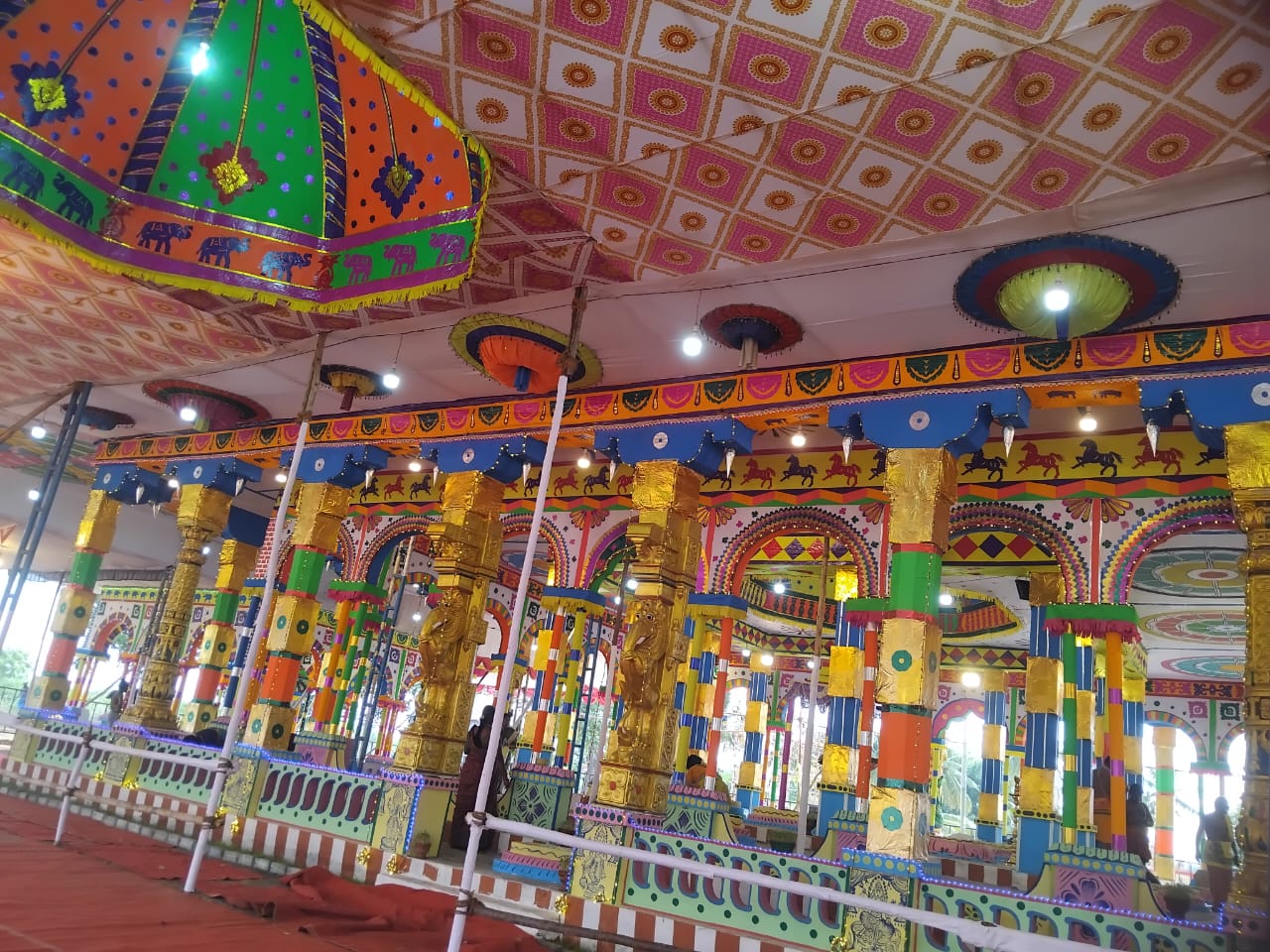
Complete Guide to Temple Kumbabishekam Arrangements
A **temple Kumbabishekam** is the most important ceremony in the life of a Hindu temple. Performed every 12 years (or after major renovations), it renews the divine energy of every deity and re-consecrates the temple for the next cycle. Planning a Kumbabishekam involves dozens of moving parts — Yagasalai, pandal, pooja arrangements, priest hospitality, devotee management, lighting, sound, security and dismantling.
This is a complete guide to **temple Kumbabishekam arrangements**, written by **Sirpakalamani Sthapathi Guru Panchanathan**, founder of **GPS Panthal Devakottai**, based on four generations of experience serving more than 1,000 temples across Tamil Nadu and South India.
Phase 1 — Planning (6 to 12 Months Before)
Kumbabishekam is not an event you can plan in a few weeks. The serious planning starts **6 to 12 months in advance**.
Spiritual Planning
Administrative Planning
Vendor Planning
> *Tip*: Always book the Yagasalai contractor first. A skilled **Yagasalai setup company** like GPS Panthal will block their calendar and design the rest of the temple’s arrangements around the Yagasalai layout.
Phase 2 — Yagasalai Setup (1 to 2 Months Before)
The **Yagasalai** is the soul of every Kumbabishekam. Without it, the rituals cannot take place. The Yagasalai must be built in the **Ishanya (north-east) corner** of the moolavar, using unburnt green bricks bonded with green clay, exactly as the Agama Shastra prescribes.
What GPS Panthal Provides
Yagasalai Build Timeline
| Size | Build Time |
| ---- | ---------- |
| 9-kundam | 7–10 days |
| 16-kundam | 12–15 days |
| 25-kundam | 18–21 days |
| 49-kundam | 25–30 days |
| 108-kundam Maha | 35–45 days |
Phase 3 — Pandal & Mandapam Arrangements
While the Yagasalai houses the sacred rituals, the **pandal (samiana)** houses the devotees. A typical Maha Kumbabishekam attracts **10,000 to 100,000 devotees** over the multi-day event, so the pandal must be:
GPS Panthal builds the Yagasalai, Mandapam, Annadhanam pandal, VIP pandal, Sound stage and Procession route as one **integrated Kumbabishekam infrastructure**.
Phase 4 — Pooja & Ritual Arrangements
The temple priest team is the keeper of the rituals, but the temple committee must arrange every pooja item. A typical Maha Kumbabishekam needs:
A well-managed temple Kumbabishekam coordinates the pooja items with the Yagasalai contractor so that every item arrives at the right kundam at the right time.
Phase 5 — Priest & Veda Pundit Hospitality
A Maha Kumbabishekam typically requires **50 to 150 priests**. They need:
GPS Panthal works closely with the temple committee to arrange priest pandals separate from the public pandal.
Phase 6 — Devotee Management & Crowd Control
A poorly managed crowd can ruin a Kumbabishekam. The committee must plan:
GPS Panthal supports this with **barricades, signage, queue rails, viewing platforms and elevated camera platforms** for media.
Phase 7 — Lighting, Sound & Media
Modern Kumbabishekam ceremonies are streamed live to lakhs of devotees worldwide. The infrastructure must include:
Phase 8 — The Final Day (Maha Kumbabishekam)
On the muhurtham day, after the final Maha Yagnam, the **sacred kalasa pots are carried in procession from the Yagasalai to the gopuram and vimanam** of the temple. The Sivacharyars climb to the top and pour the divine water on the sacred kalasam at the apex of the temple — this is the moment of Kumbabishekam.
In that one moment, the entire 12-year energy cycle of the temple is renewed.
Phase 9 — Post-Ceremony Dismantling
After the ceremony, the Yagasalai is **respectfully dismantled** — the Shastras say it should naturally dissolve in the first rains, symbolising the impermanence of form. GPS Panthal also handles:
Estimated Budget (Indicative)
| Item | Indicative Cost (INR) |
| ---- | --------------------- |
| Yagasalai setup (9-kundam) | 3 – 6 lakh |
| Yagasalai setup (25-kundam) | 8 – 15 lakh |
| Yagasalai setup (108-kundam Maha) | 25 – 60 lakh |
| Pandal + Mandapam | 5 – 30 lakh |
| Priest honorarium + travel | 5 – 25 lakh |
| Pooja items | 5 – 50 lakh |
| Annadhanam | 3 – 30 lakh |
| Sound + light + media | 3 – 20 lakh |
> Costs vary enormously based on temple size and number of devotees. GPS Panthal offers free estimates after a site visit.
Why Trust GPS Panthal for Your Temple Kumbabishekam
Conclusion
A successful temple Kumbabishekam is a tapestry woven from spiritual planning, expert Yagasalai construction, careful pooja preparation, hospitable priest arrangements and respectful devotee management. With this complete guide and the experience of GPS Panthal Devakottai by your side, your temple can host a Kumbabishekam that fills the deity with divine energy for the next 12 years.
To begin planning your temple Kumbabishekam, contact **Sirpakalamani Sthapathi Guru Panchanathan — GPS Panthal Devakottai** today.